
Why Monstera Plants Are Beloved Worldwide
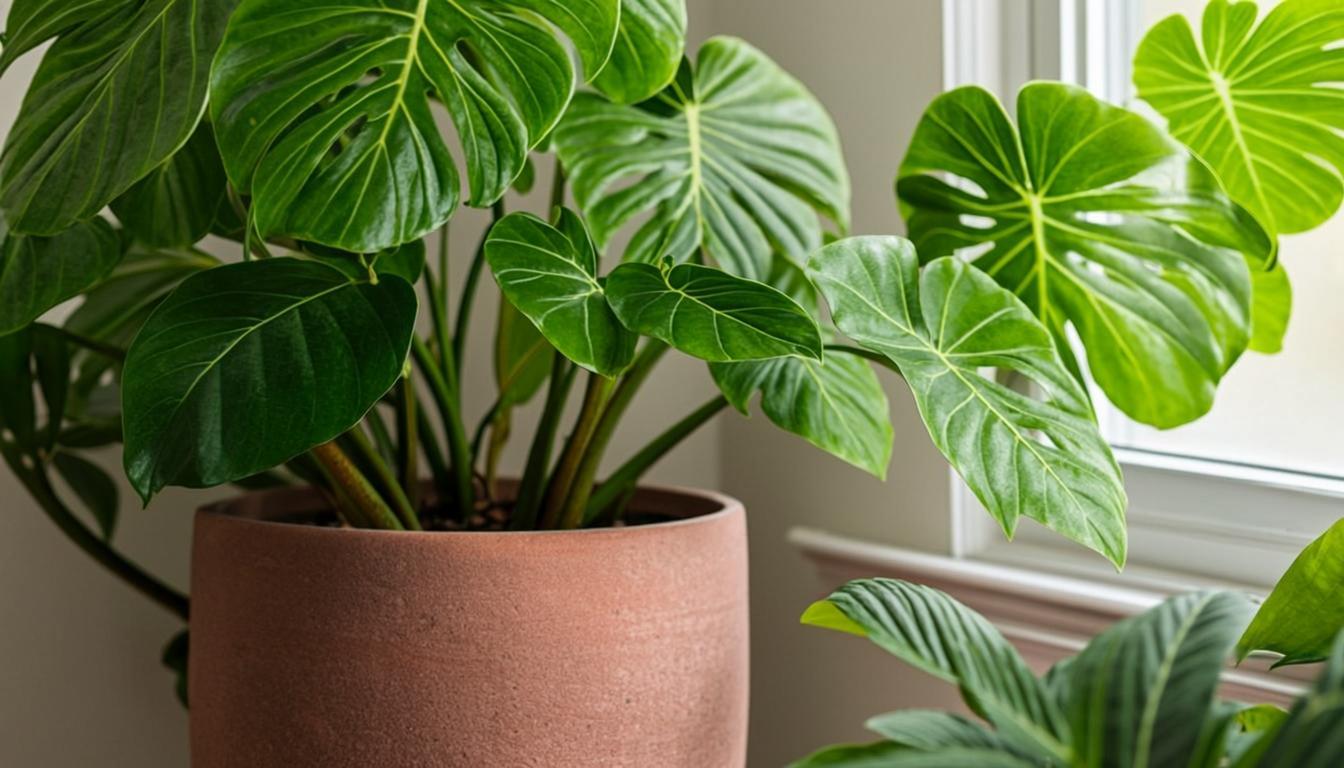
Monstera deliciosa, often called the Swiss Cheese Plant, has become one of the most recognizable houseplants on the planet. Its large, glossy, perforated leaves bring an instant tropical feel to any room. But behind that effortless beauty lies a plant that rewards attentive care with dramatic new growth.
Whether you've just brought home your first monstera or you're looking to troubleshoot a mature plant, this guide covers everything you need to know.
Understanding Your Monstera
Monstera deliciosa is native to the rainforests of Central America, where it climbs up tree trunks using aerial roots. In the wild, these plants can reach heights of 60 feet or more. Indoors, they typically grow to 6-8 feet tall given proper support.
The Three Main Types
- Monstera deliciosa — The classic Swiss Cheese Plant with large, fenestrated leaves
- Monstera adansonii — Smaller leaves with more numerous holes, often called the Monkey Mask
- Monstera peru/"karstenianum" — Textured, puckered leaves without fenestrations
Light Requirements
Monstera plants thrive in bright, indirect light. Think of the dappled sunlight that filters through a rainforest canopy — that's the sweet spot.
Ideal placement: Near an east- or north-facing window, or a few feet back from a south- or west-facing window.
| Light Condition | Result | |---|---| | Bright indirect | Optimal growth, large leaves, frequent fenestrations | | Medium indirect | Acceptable, slower growth | | Low light | Slow growth, smaller leaves, no new fenestrations | | Direct sun | Scorched, yellowing leaves |
Pro tip: If your monstera isn't producing new splits in its leaves, it likely needs more light. Gradually move it closer to a window over a week or two.
Watering: The Most Common Mistake
Overwatering is the number one killer of monstera plants. These plants prefer to dry out slightly between waterings.
How to Water Correctly
- Check the soil: Insert your finger about 2 inches into the soil. If it feels dry, it's time to water.
- Water thoroughly: Pour water until it runs from the drainage holes.
- Empty the saucer: Never let your plant sit in standing water for more than 15 minutes.
- Adjust by season: Water less frequently in winter when growth slows.
Signs of Watering Issues
- Yellowing lower leaves + wet soil → Overwatering. Let the soil dry more between waterings.
- Crispy, brown leaf edges → Underwatering. Water more frequently.
- Drooping leaves that recover after watering → The plant is telling you it's thirsty.
Soil & Potting
Monsteras need a well-draining, airy potting mix. A combination of:
- 40% standard potting soil
- 30% perlite or pumice
- 20% orchid bark or coco coir
- 10% worm castings
This mix provides excellent drainage while retaining enough moisture for healthy root growth.
When to Repot
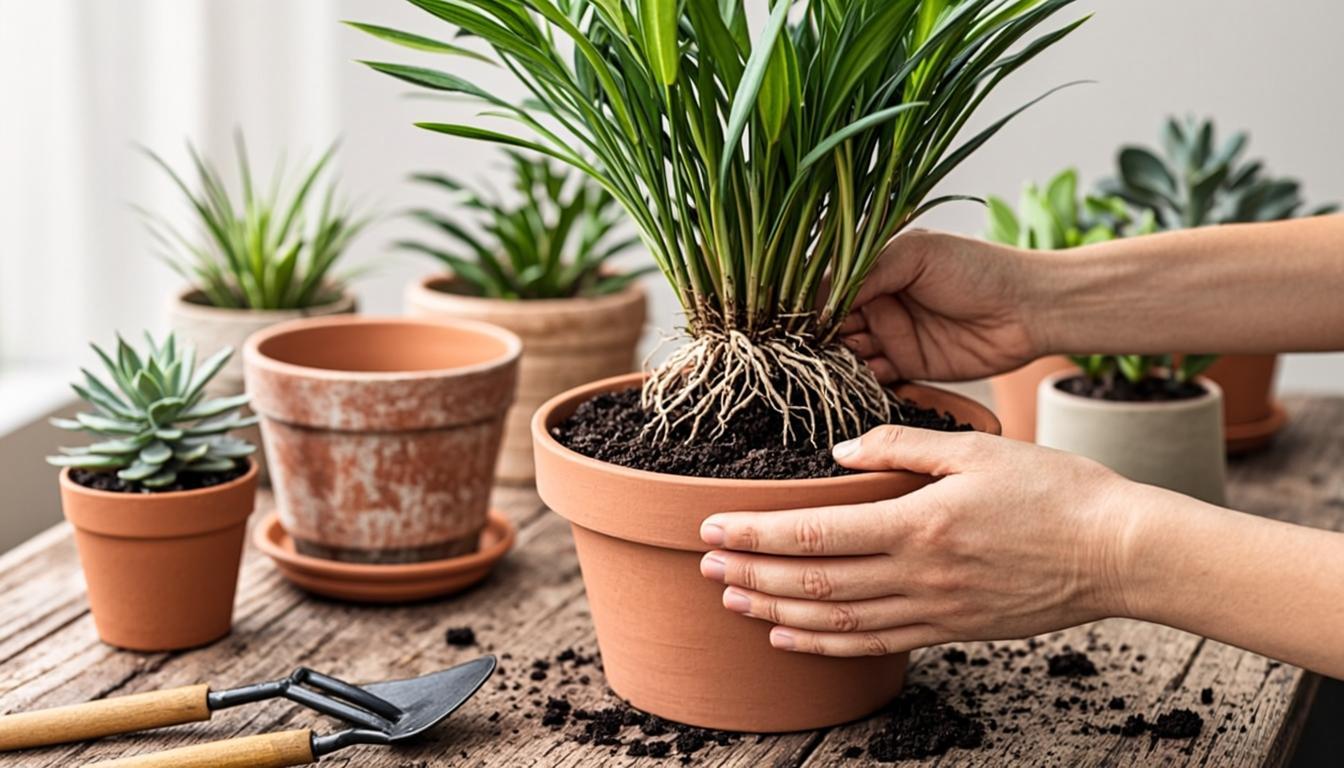
Repot your monstera every 1-2 years, or when you see roots growing out of the drainage holes. Choose a pot that's 2-4 inches larger in diameter. Spring is the ideal time to repot.
Humidity & Temperature
Monsteras appreciate 60% or higher humidity, though they can tolerate normal household humidity (30-50%). If your home is dry, consider:
- A pebble tray with water beneath the pot
- Grouping plants together to create a microclimate
- A room humidifier (the most effective solution)
Keep temperatures between 65-85°F (18-29°C). Avoid cold drafts and temperatures below 55°F (13°C).
Fertilizing for Growth
During the growing season (spring through early fall), feed your monstera every 2-4 weeks with a balanced, water-soluble fertilizer diluted to half strength. Stop fertilizing in late fall and winter when growth naturally slows.
Common Problems & Solutions
Yellow Leaves
Usually caused by overwatering. Check the roots for rot (they'll be brown and mushy). If root rot is present, trim affected roots, repot in fresh soil, and adjust your watering schedule.
Brown Spots
Brown spots with yellow halos typically indicate a fungal or bacterial infection. Remove affected leaves, improve air circulation, and avoid getting water on the leaves.
Pests
Watch for spider mites, mealybugs, and scale insects. Wipe leaves with a damp cloth regularly and treat infestations with insecticidal soap or neem oil.
Propagation
Monstera deliciosa is one of the easiest plants to propagate:
- Identify a node: Look for the small brown bump on the stem where a leaf meets the stem.
- Cut below the node: Use a clean, sharp knife or pruners.
- Root in water or moss: Place the cutting in a jar of water (change weekly) or moist sphagnum moss.
- Wait for roots: In 2-4 weeks, you should see white roots emerging.
- Plant: Once roots are 2-3 inches long, plant in a small pot with well-draining soil.
Supporting Your Monstera
As your monstera grows, it will need support. A moss pole, trellis, or cedar stake encourages upward growth and can lead to larger, more fenestrated leaves. This mimics the plant's natural climbing habit.
With the right balance of light, water, and patience, your monstera will reward you with years of stunning, jungle-like growth. Remember: it's always better to underwater slightly than to overwater.